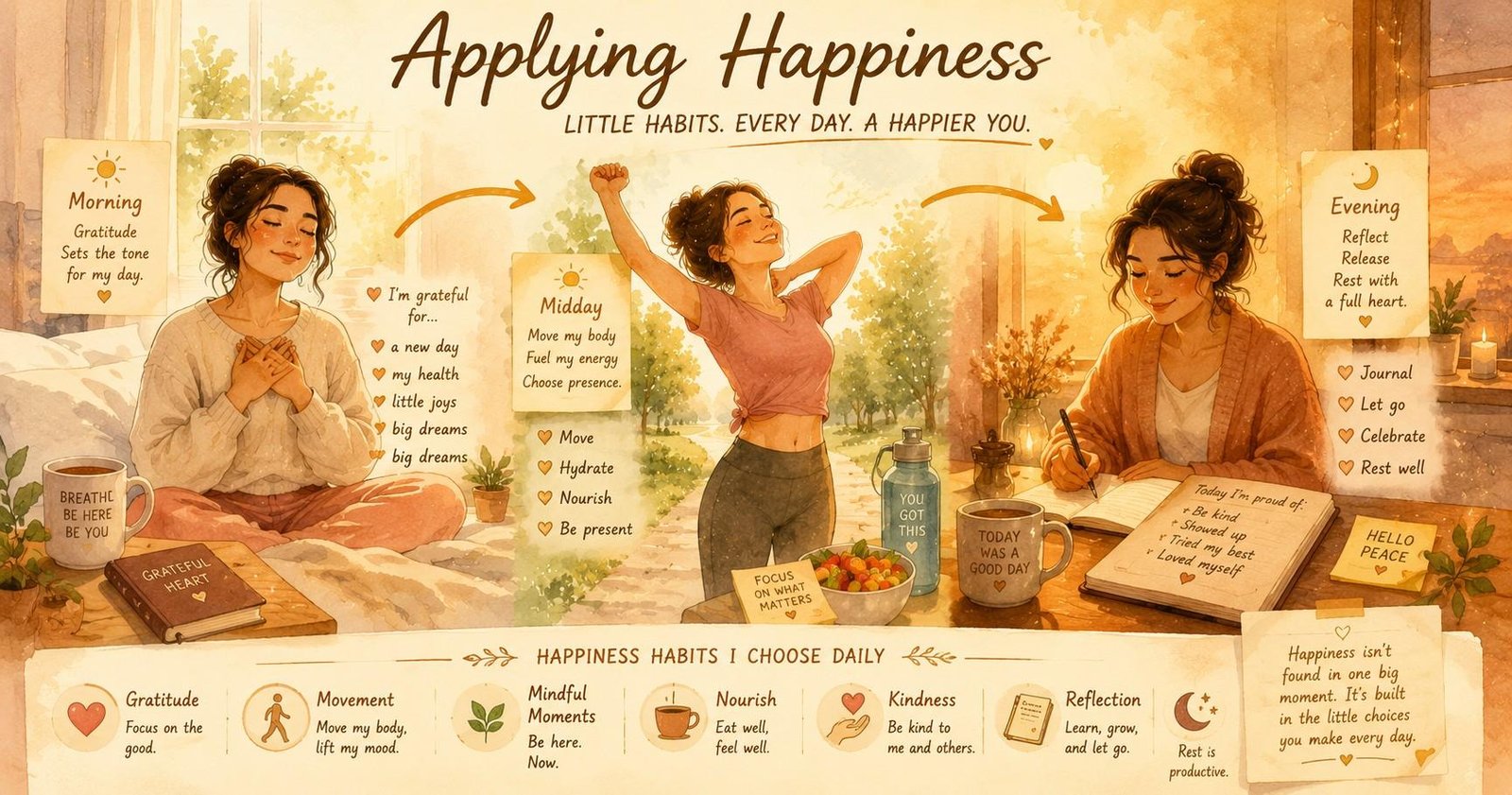
Apply Happiness Like: The Daily Practice That Can Change Your Mindset Forever
What Does “Apply Happiness” Really Mean?
When we talk about “applying happiness,” we’re not talking about forcing a smile or pretending everything is great when it’s not. We’re talking about deliberately, consistently, and intentionally practicing the thoughts, behaviors, and habits that create genuine happiness in your life.
Applying happiness means treating it like a skill you develop, not a feeling you wait for.
Just like you apply skills at work (typing, speaking, problem-solving), you can apply happiness through practice. You practice gratitude until noticing good things becomes natural. You practice kindness until being kind is just how you show up. You practice presence until fully listening is automatic.
This is about making happiness a daily practice, not a rare occurrence.
Simple Ways to Apply Happiness at Home
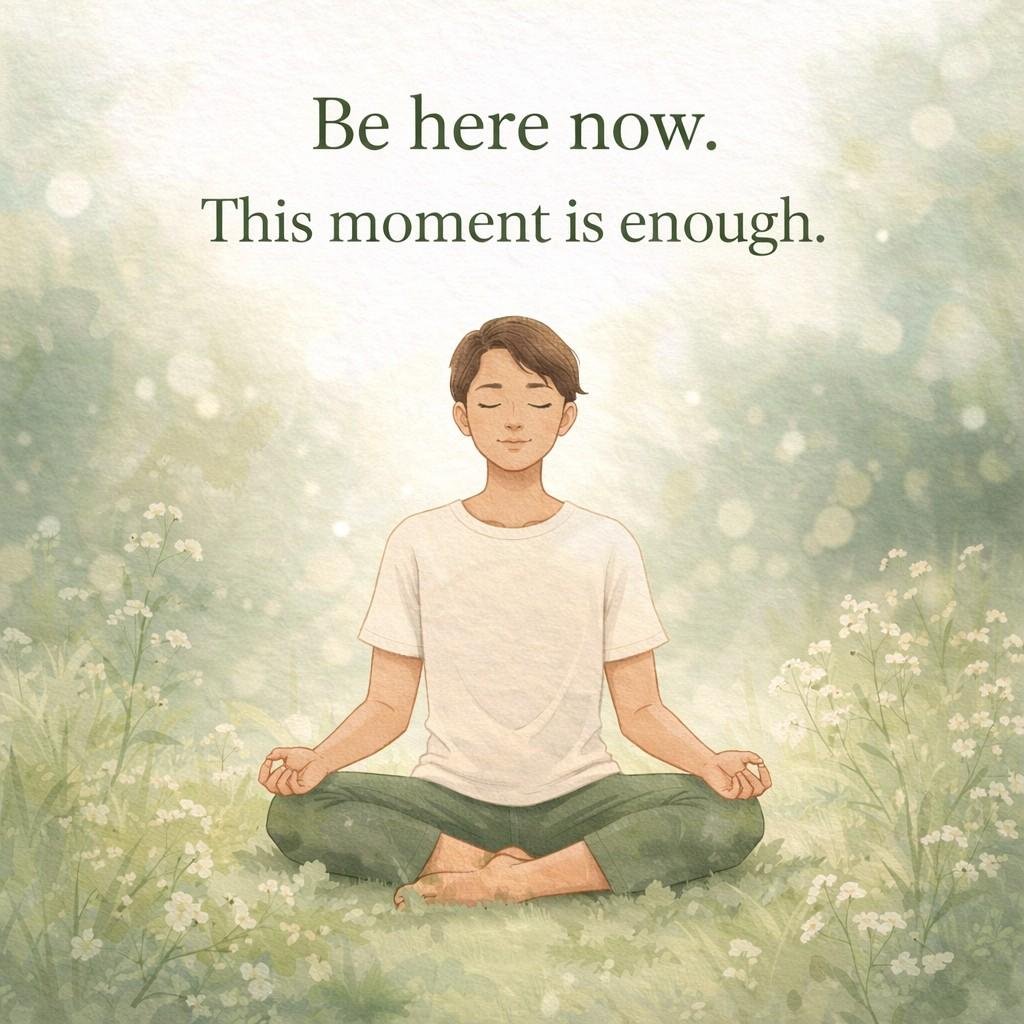
Create a Positive Environment
Your physical space affects your emotional state more than you realize. A cluttered, dark, negative space creates negative feelings. A clean, organized, pleasant space creates peace.
You don’t need to spend money. You need intentionality.
How to apply it:
Open curtains and let natural light in
Remove clutter from your main living spaces.
Add one plant (they improve mood and air quality)
Use colors that feel calm (warm neutrals, soft colors).
Keep your space clean (notice how you feel in a clean vs. messy room)
Add one thing that makes you smile (photo, quote, or artwork)
A pleasant home environment is one of the easiest ways to support daily happiness.
Spend Quality Time with Family
Humans are social creatures. Loneliness undermines happiness. Genuine connection creates it.
Quality time doesn’t mean big elaborate activities. It means being present with people you love.
Examples of quality time:
Having meals together without phones
Conversation without distractions
Playing a game together
Working on a project together
Just sitting together and being present
The quality comes from presence, not the activity.
How to apply it:
Choose one meal daily to eat together without phones.
Have real conversations (not just logistics chat)
Ask people what they’re thinking about
Listen to understand, not to respond
Show people they matter through your full attention.
Genuine connection is one of the strongest happiness-creators available.
Declutter Your Space for Mental Clarity
Every item in your home either adds value or takes energy. Clutter is literally cognitive load—your brain has to process each item, even subconsciously.
When you declutter, you’re not just cleaning. You’re literally freeing up mental space.
How to apply it:
Start with one small area (not your whole house)
For each item, ask: Do I use this? Do I love this?
If no to both, give it away.
Organize what stays so it has a home
Maintain by regularly assessing what’s needed
You’ll notice: less clutter = clearer mind = better mood.
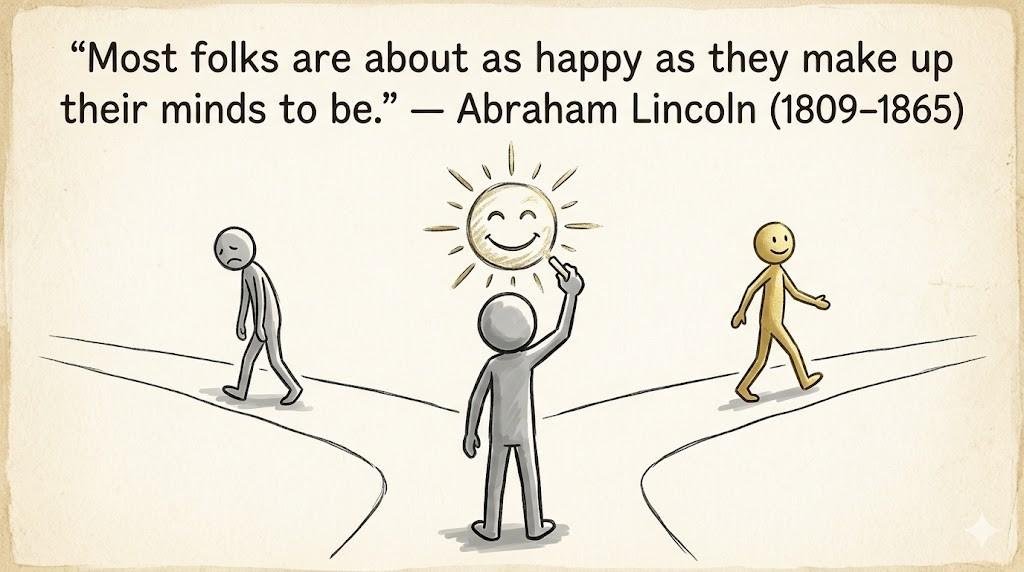
Build Healthy Work Habits
Work takes up a huge portion of your life. If you hate how you’re working, it’s hard to be happy overall.
Healthy work habits include:
Starting with your most important task (not emails)
Taking actual breaks (not skipping lunch)
Setting boundaries (not working 24/7)
Moving during the day (not sitting the whole time)
Ending work at a reasonable time
How to apply it:
Identify which work habits undermine your happiness (staying late, skipping breaks, constant stress)
Change one habit at a time
Notice how your overall happiness shifts
Protect your boundaries
Small changes in how you work create big changes in how you feel.
Manage Stress Effectively
Work stress is real. But how you respond to it determines whether it becomes chronic stress (bad) or productive pressure (manageable).
Stress management isn’t about avoiding stress. It’s about processing it.
How to apply it:
Notice stress when it arrives (don’t ignore it)
Take 5 deep breaths (calms your nervous system)
Name what’s stressful and why.
Problem-solve what you can control
Accept what you can’t
Talk to someone about the stress
Do something physical to release stress energy.
Processing stress as it happens prevents it from building up and undermining your happiness.
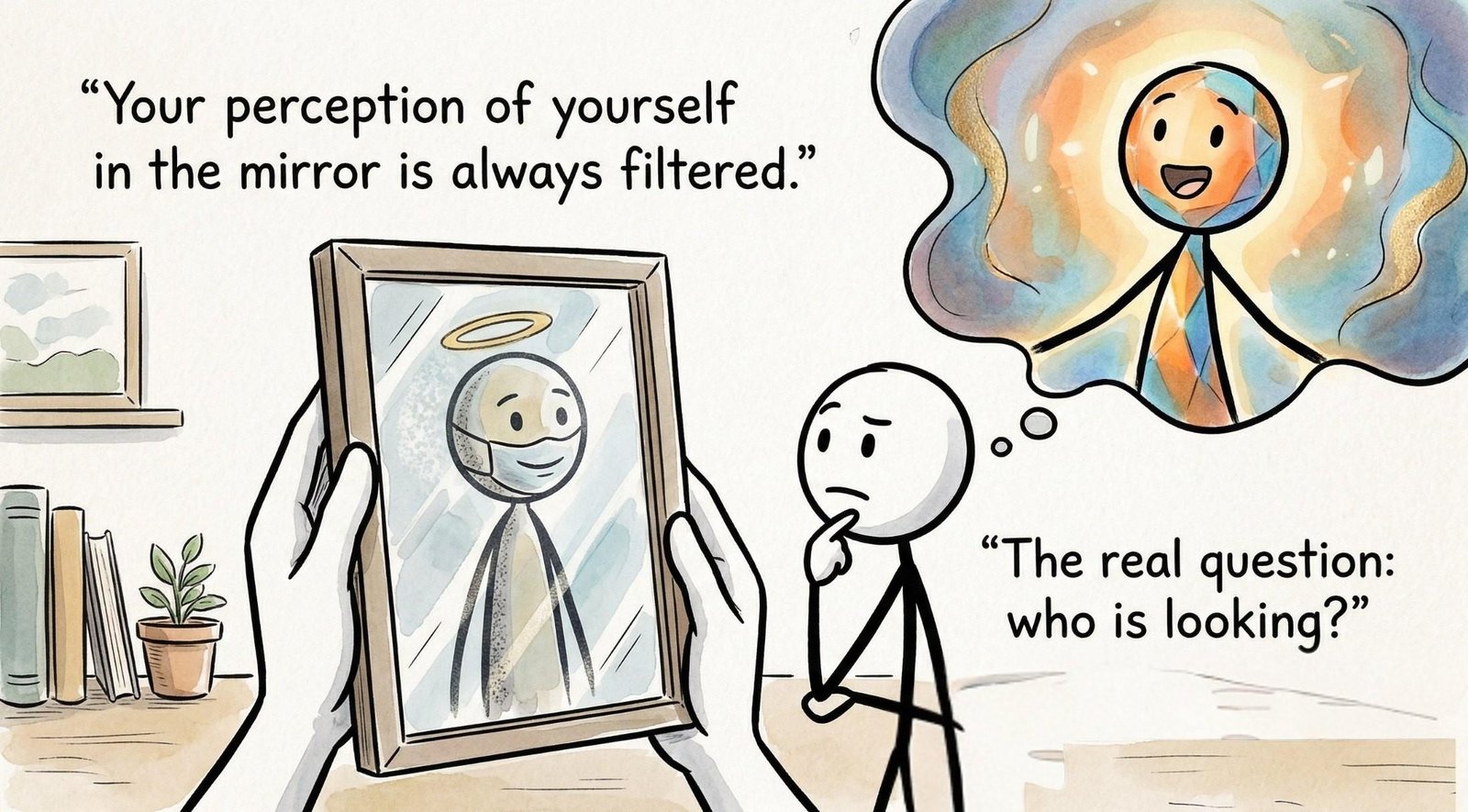
✨ Apply Happiness Quiz
Discover Your Happiness Practice Style & How to Deepen It
Knowing how to be happy is different from actually applying it.
You might know all the right things: rest matters, gratitude helps, self-care is important. But do you actually practice them? There’s a gap between knowing and doing.
This quiz reveals your happiness application style—how naturally you put happiness practices into your life—and gives you exactly what you need to deepen and strengthen your practice.
🔍 What This Means
Loading…
💫 Your Strengths
Loading…
🌱 Where to Focus
Loading…
⚡ How to Deepen Your Practice
Ready to actually apply happiness to your life?
📖 Read: The Complete Guide to Applying Happiness Daily
Leave a Reply